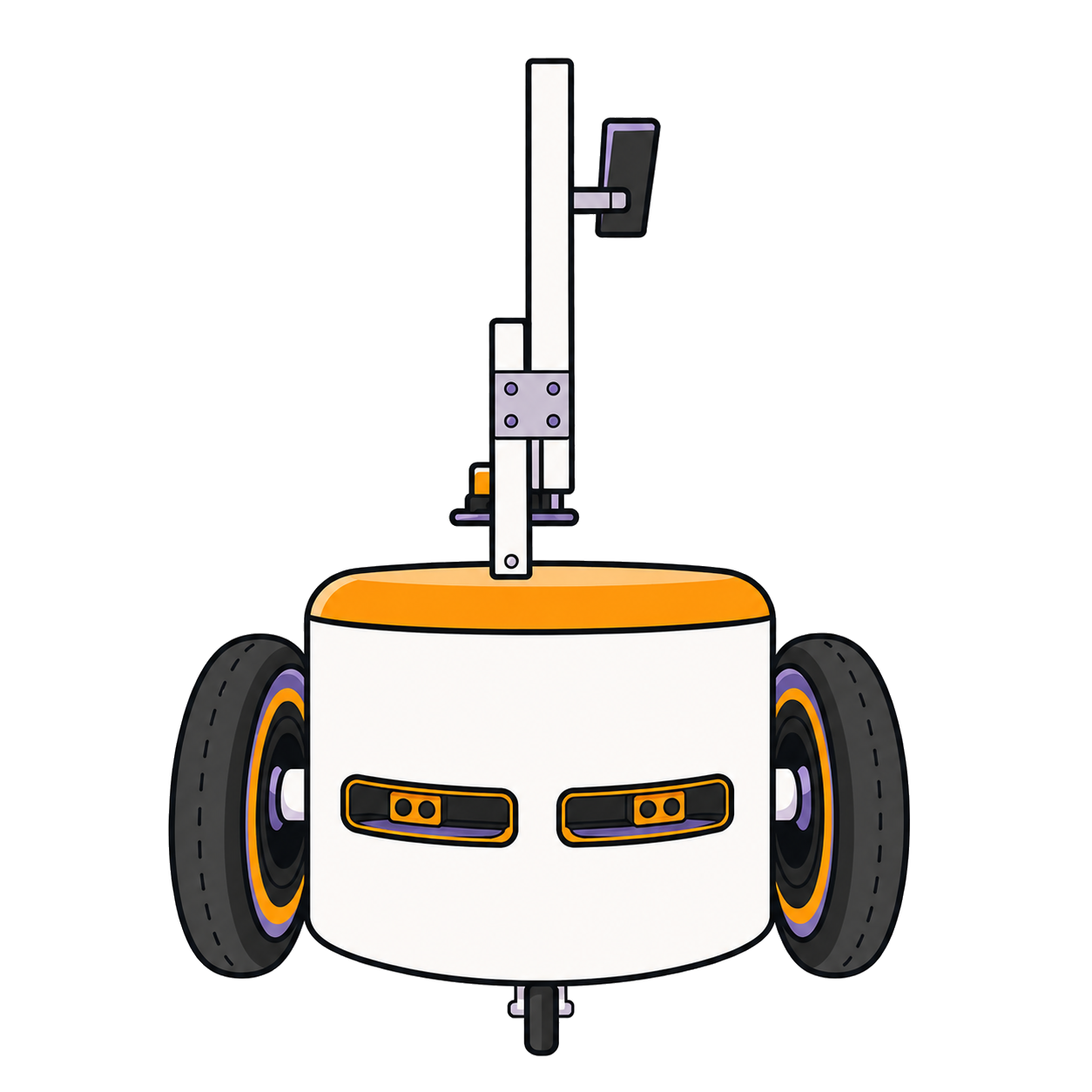
Manual rounds
Checking price labels and product information requires repeatable rounds and takes staff time.


The project is implemented with the support of the Innovation Promotion Fund under the Student Startup programme of the University Technological Entrepreneurship Platform of the Technologies federal project.
Product information control
We are developing an autonomous mobile robot scanner for checking price labels, barcodes, QR codes, and related product information in retail and warehouse environments.
How it works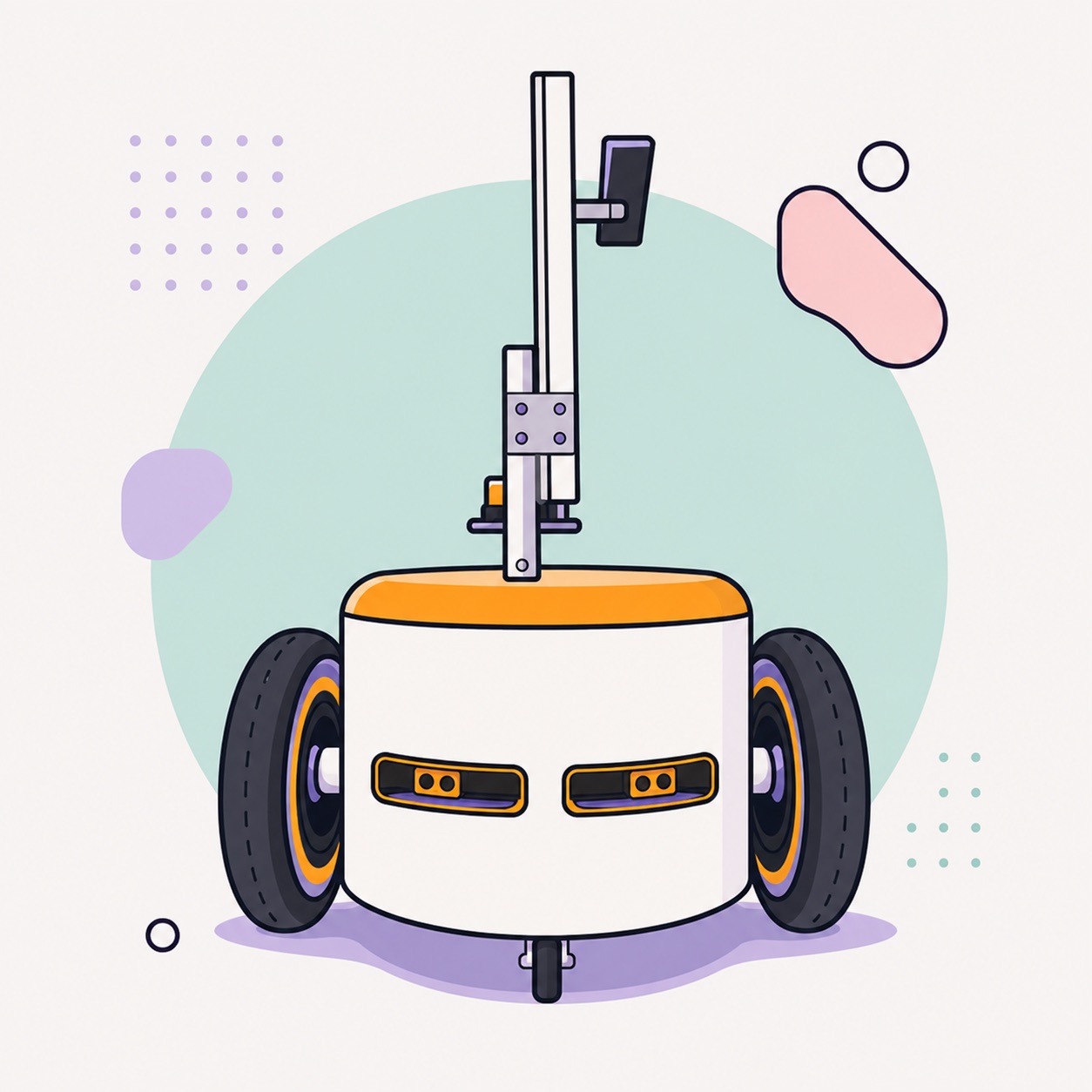
Challenge
Price labels, barcodes, QR codes, and other product information require regular comparison with actual shelf conditions. The project is aimed at automating recurring control rounds and preparing data for further review.
Checking price labels and product information requires repeatable rounds and takes staff time.
Price labels, barcodes, and QR codes need comparison with actual shelf conditions.
Retail floors and warehouse environments require routes and rules for recording visual information.
Use cases
The platform is intended for repeatable routes, collecting visual information, and preparing data for subsequent review.

Checking price labels, barcodes, QR codes, and related product information on shelves.

Checking labelling and related visual information in storage and picking areas.

Pilot-stage validation is planned to review how the mobile platform, navigation software, and visual module work together in conditions close to actual use.
Product
Route-based checks
Collecting information about price labels and codes
Preparing data for subsequent review
Functions and configuration are refined during development and pilot-stage validation. Only agreed and verified materials are published on this website.
System
The system under development combines a mobile platform, route-control software, and tools for preparing visual information.
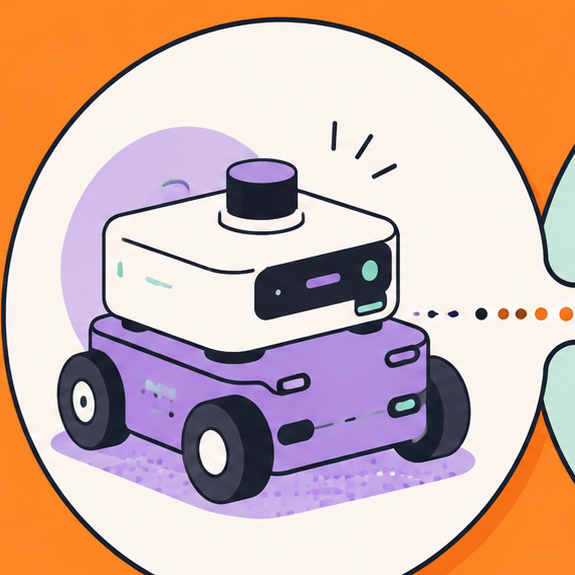
A wheeled base and modules intended to move along a route in retail and warehouse environments.

A software layer for planning routes and the sequence of operations in a working environment.
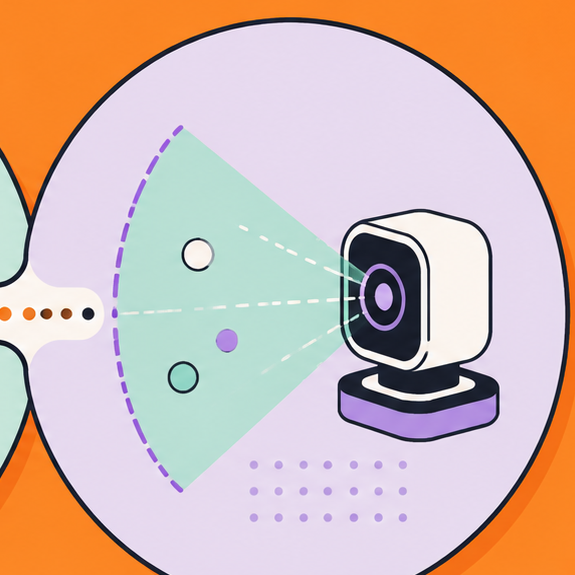
Collecting and preparing visual information about price labels, barcodes, and QR codes.
Development
Stage 2 work covers design documentation, control software, assembly and testing, and the project website. Approved materials will be published after review.
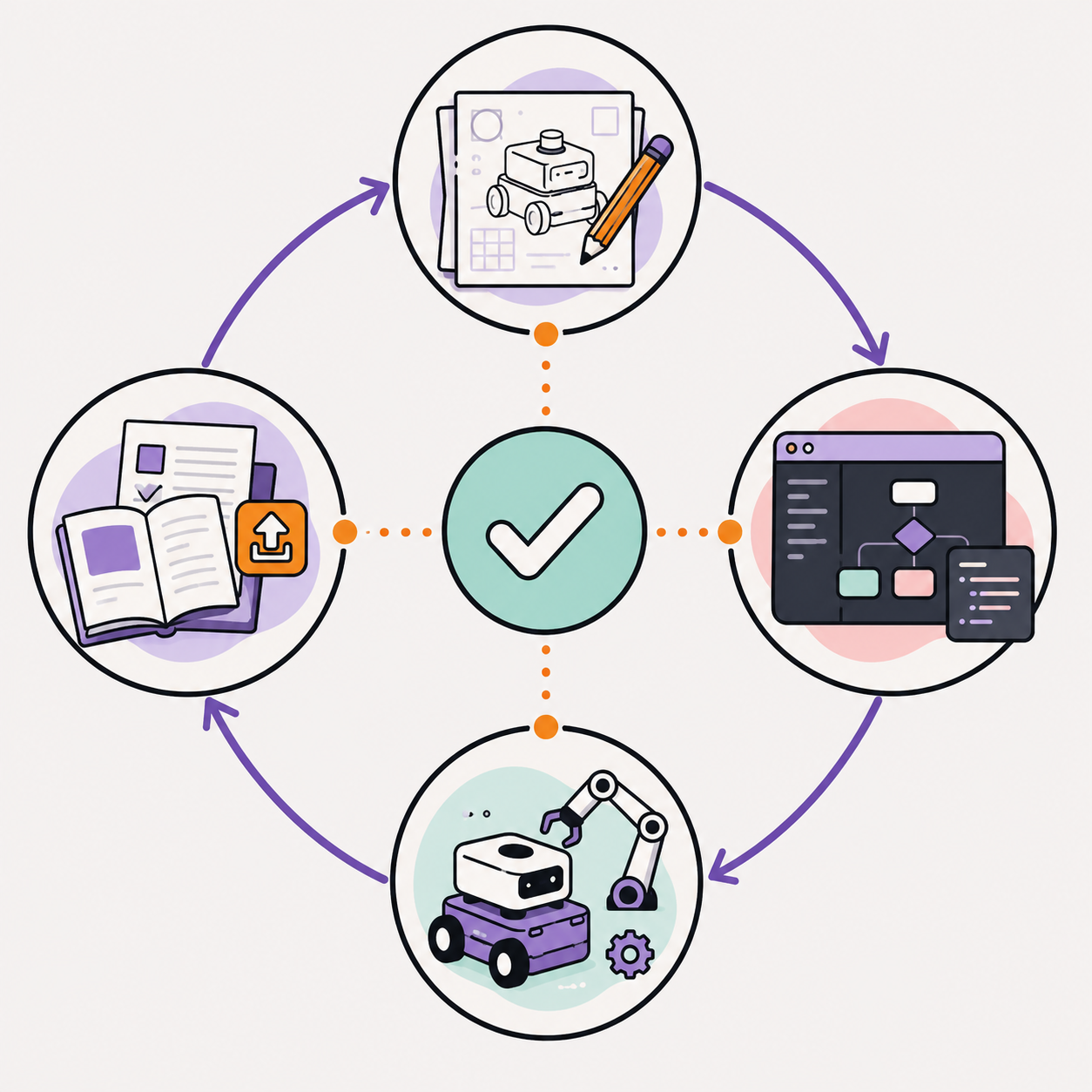
Designing the platform, module set, and documentation for the prototype.
Developing route-control software and preparing data for review.
Prototype assembly, scenario checks, and recording results in protocols are planned.
Public information about the development and approved materials published as they become ready.
Project materials
This section will contain approved development descriptions, photos, videos, and test protocols. Each publication is checked for accuracy and restricted information before release.
Diagrams, module descriptions, and documentation excerpts safe for publication.
Approved demonstration materials, version descriptions, and confirmed operating scenarios.
Test plans, protocols, photos, videos, and conclusions after review of source materials.
Team
The project work covers the mobile platform, navigation and control software, pilot validation, and preparation of public materials. Names and personal contact details are published only with approval.
Mobile platform design and integration
Robot navigation and control software
Pilot validation and publication material preparation
News
The page provides a basic description of the mobile robot scanner's purpose, its pilot status, and planned development areas.
Contacts
Industrial Robotics and Technologies LLC